
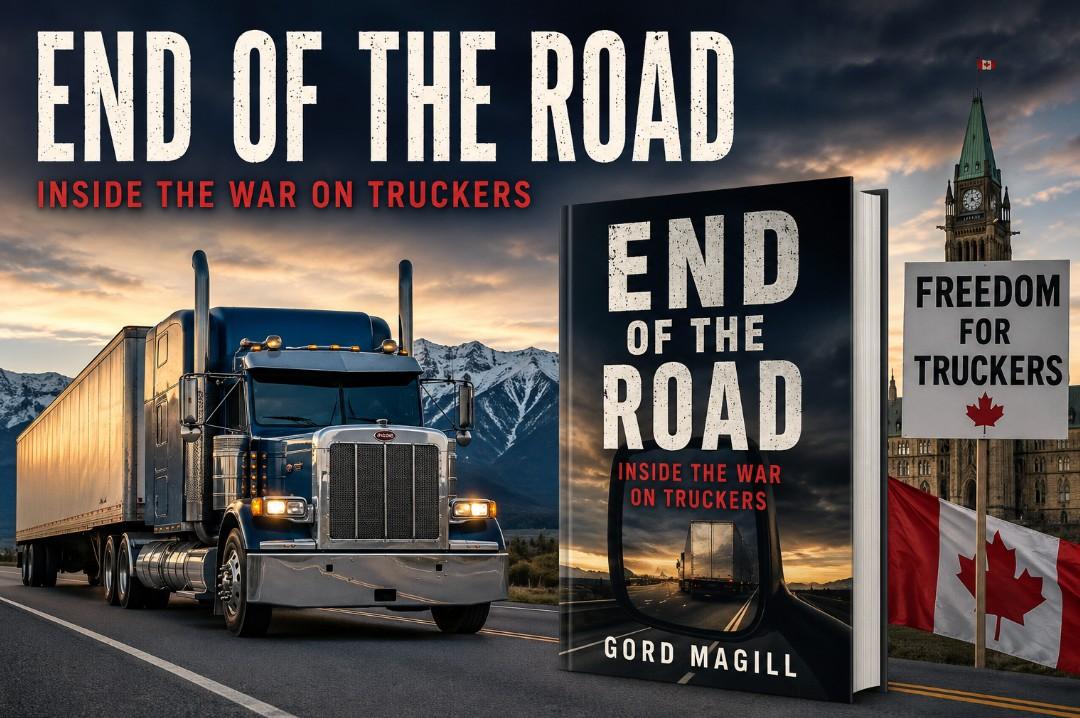
End of the Road: A Powerful Look at the Challenges Facing Truckers Today
For many people, truck drivers represent freedom, hard work, and the open road. They transport the goods that keep stores stocked, businesses running, and communities connected. In his new book, End of the Road: Inside the War on Truckers, author and veteran truck driver Gord Magill takes readers inside the trucking industry to reveal the pressures, frustrations, and changes that many drivers face today. Drawing from more than two decades of experience behind the wheel, Magill argues that trucking has changed dramatically and that many of those changes have made life harder for drivers.
The Changing World of Trucking
Magill begins by describing how trucking was once seen as a respected and independent profession. Truck drivers often had a strong sense of freedom and personal responsibility. They spent long hours on the road, but many felt proud of the important role they played in the economy. According to the book, that culture has been fading over time.
One of the major themes of the book is the growing use of technology in the trucking industry. While technology can improve safety and efficiency, Magill argues that it has also increased surveillance and reduced driver independence. Modern trucks often contain monitoring systems that track speed, driving habits, and other activities. Magill believes that these systems can make drivers feel like they are constantly being watched rather than trusted to do their jobs.
The author also discusses the impact of regulations and corporate policies. He argues that many rules are created by people who have never worked as truck drivers and may not fully understand the realities of life on the road. As a result, some drivers feel burdened by requirements that make their jobs more difficult without necessarily improving conditions.
The Human Cost Behind the Industry
One of the book’s strongest features is its focus on the people behind the trucks. Rather than treating trucking as simply a business or transportation issue, Magill highlights the experiences of individual drivers and their families. He describes how long hours, demanding schedules, and increasing workplace pressures can affect mental health, family relationships, and overall job satisfaction.
Magill also examines how changes within the industry have affected trucking culture. He argues that traditional truck stops, driver communities, and informal support networks have declined over the years. These places once allowed drivers to share stories, build friendships, and help one another through difficult situations. As those communities disappear, some drivers feel more isolated than ever before.
Another topic covered in the book is workforce development and training. Magill raises concerns about industry practices that he believes may place inexperienced drivers on the road before they are fully prepared. He argues that maintaining high standards for training is important not only for drivers but also for public safety. Whether readers agree with all of his conclusions or not, the discussion encourages serious thought about the future of the profession.
Why This Book Matters
Although End of the Road focuses on trucking, its message extends beyond a single industry. Magill argues that the challenges facing truck drivers reflect broader changes occurring throughout many blue-collar occupations. He suggests that efficiency, technology, and cost-cutting measures can sometimes overshadow the value of skilled workers and the dignity of labor.
The book also explores political and social issues connected to trucking, including the Canadian trucker-led Freedom Convoy and debates about government regulation and worker rights. These topics may be controversial, but Magill presents them as important parts of the story he is telling about the industry’s recent history. Readers interested in public policy, transportation, or labor issues will likely find these sections especially thought-provoking.
What makes the book stand out is Magill’s firsthand experience. He is not writing as an outside observer. He has spent years driving trucks in different countries and working within the industry he describes. That experience gives the book a personal and authentic voice that helps readers understand the challenges from a driver’s perspective.
In the end, End of the Road: Inside the War on Truckers is more than a book about trucks. It is a discussion about work, responsibility, technology, and the people who keep modern society moving. Whether readers agree with all of Magill’s arguments or not, the book offers an inside look at an industry that affects nearly everyone. For anyone interested in transportation, labor issues, or the changing nature of work in the twenty-first century, this book provides an engaging and thought-provoking read.